Food Allergy vs. Environmental Allergy Testing Differences
Environmental allergies are easier to test because you can't choose to breathe pollen.
Ingrid Ford
Section
18 stories in Allergy Testing and Diagnosis.
Environmental allergies are easier to test because you can't choose to breathe pollen.
Know which type you have to avoid treating the wrong problem at the wrong time.
Decode your allergy test results by matching sensitization numbers to your actual symptoms.
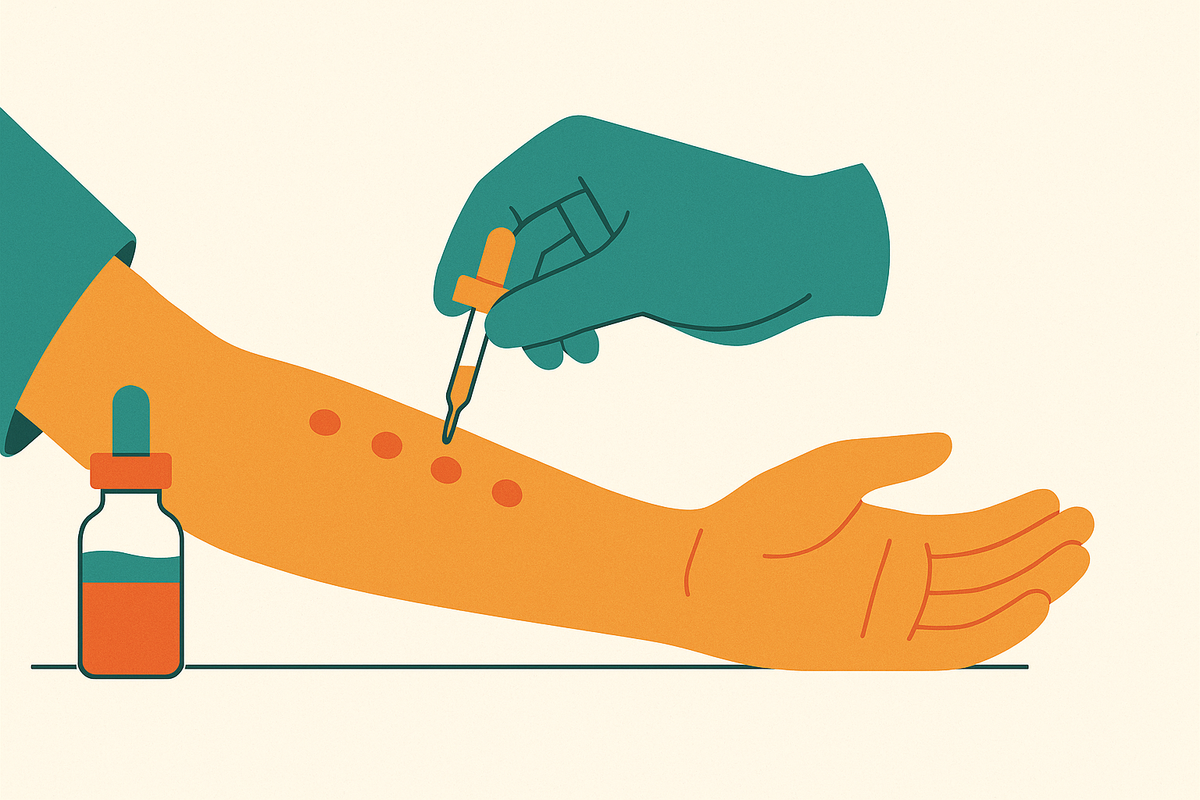
Lab skin testing edges out at-home kits for accuracy.
Physician review transforms allergy test results into actual treatment plans.
Virtual allergy platforms test and treat differently, so pick one that matches your needs.
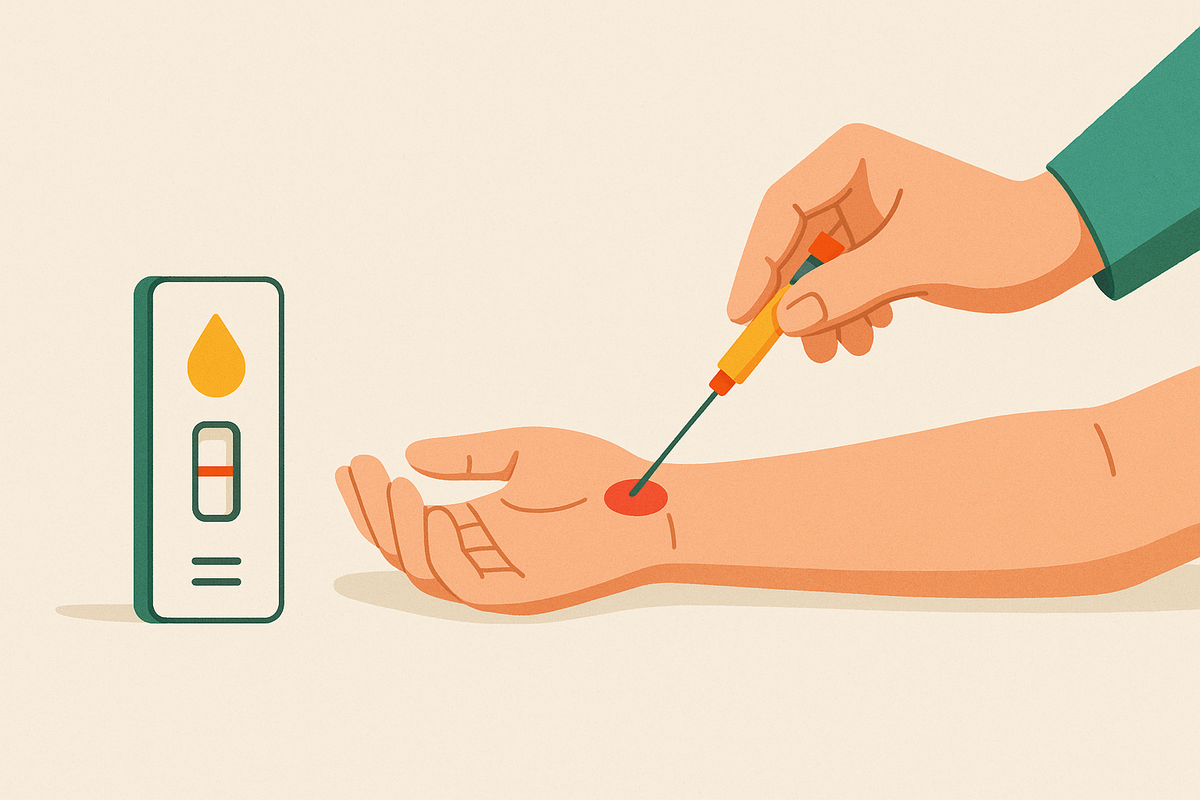
Which finger-prick blood tests actually work and which ones don't.
These services retrain your immune system to tolerate allergens rather than just blocking symptoms.
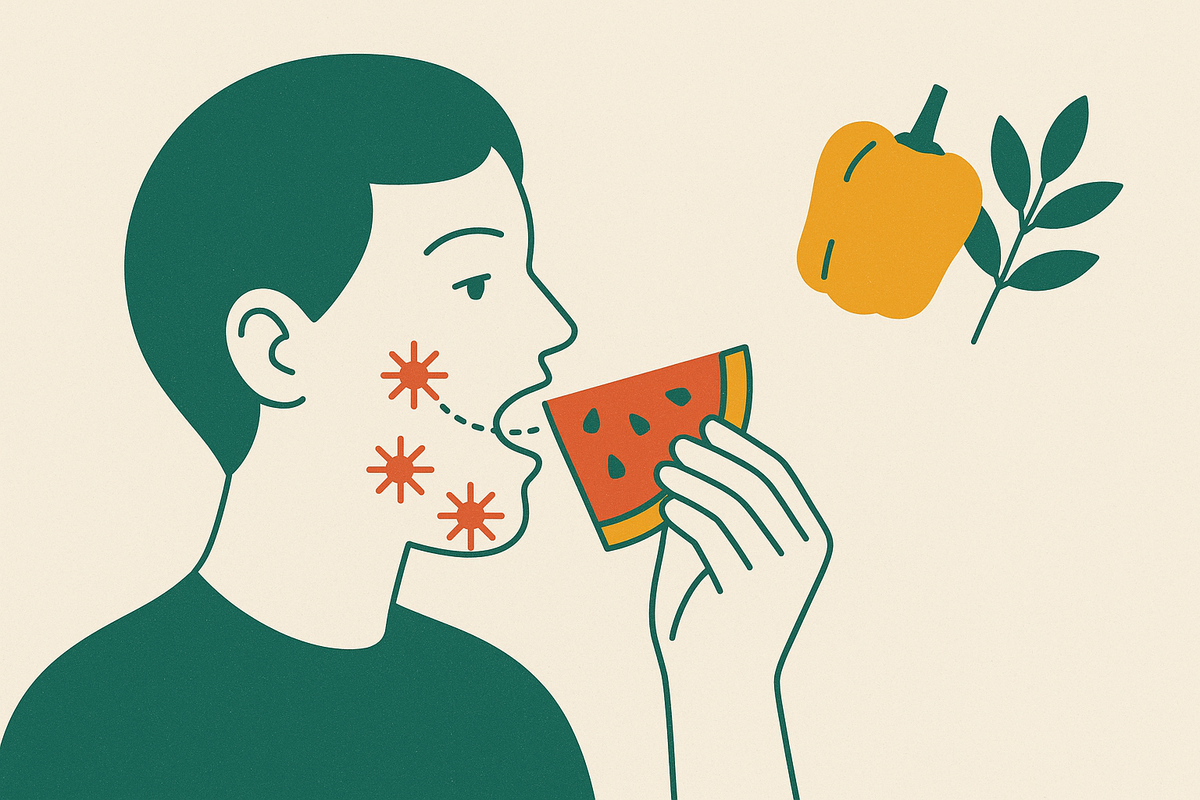
Heat breaks down the pollen proteins that trigger itching in your mouth when you eat raw produce.
Colds end when the virus clears; allergies persist as long as the trigger does.
Test seasonal allergies during pollen season for reliable results; perennial ones anytime.
The mechanism behind rhinitis determines whether antihistamines will actually work.
Stop taking antihistamines before your appointment to get accurate results.
A blood test reveals which indoor allergens your immune system has already primed to fight.
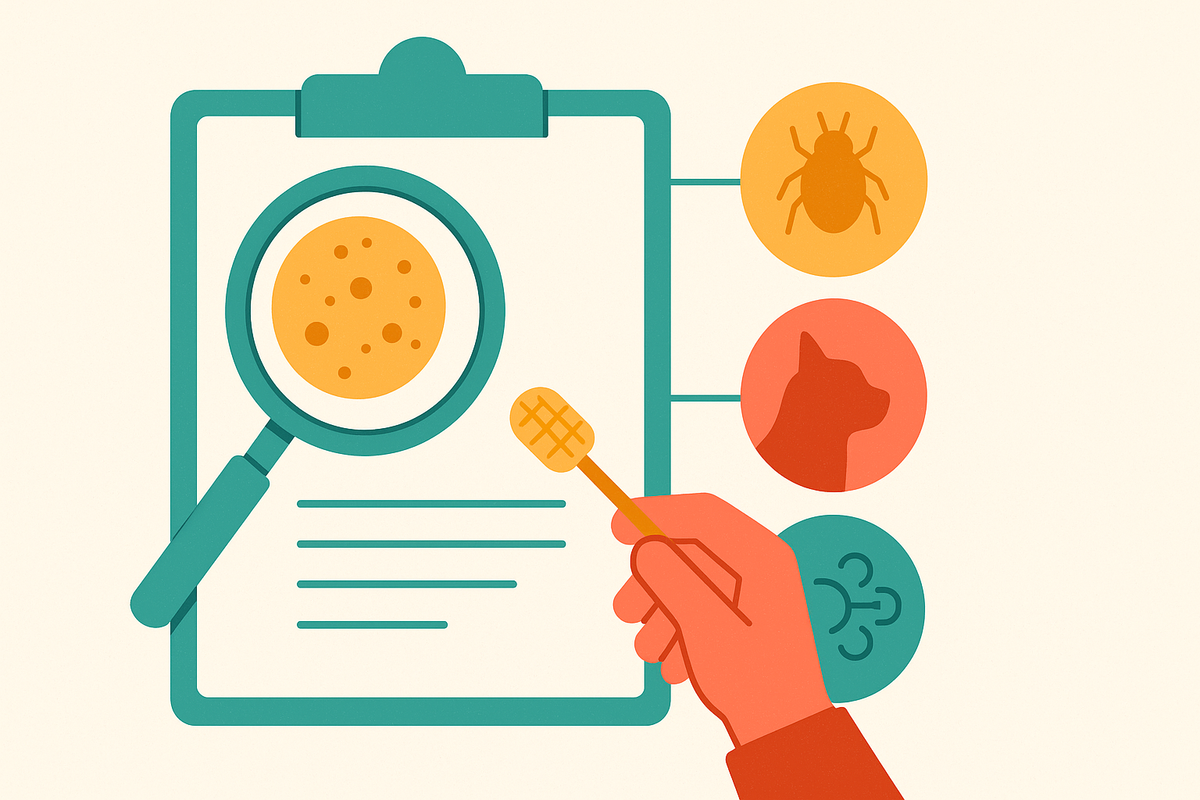
Proper testing reveals perennial triggers patients miss, shaping precisely targeted treatment.
Positive results mean sensitization, not necessarily clinical allergy.
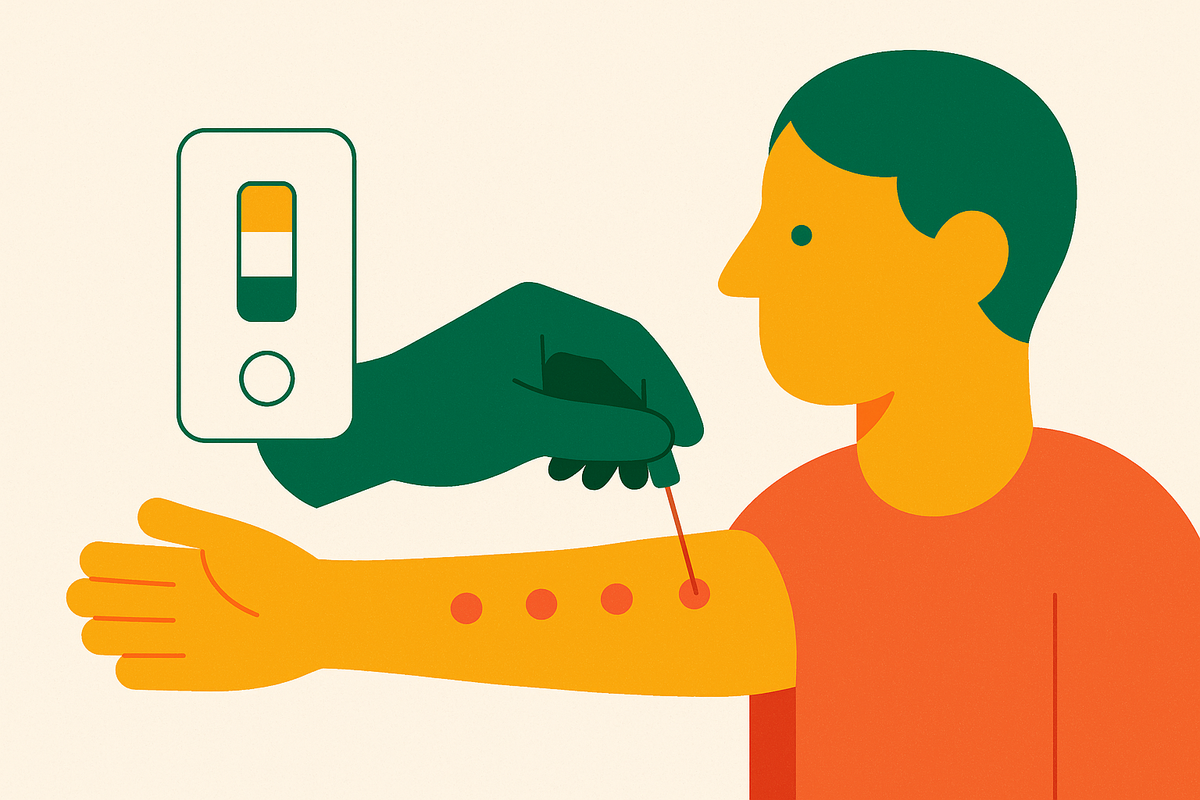
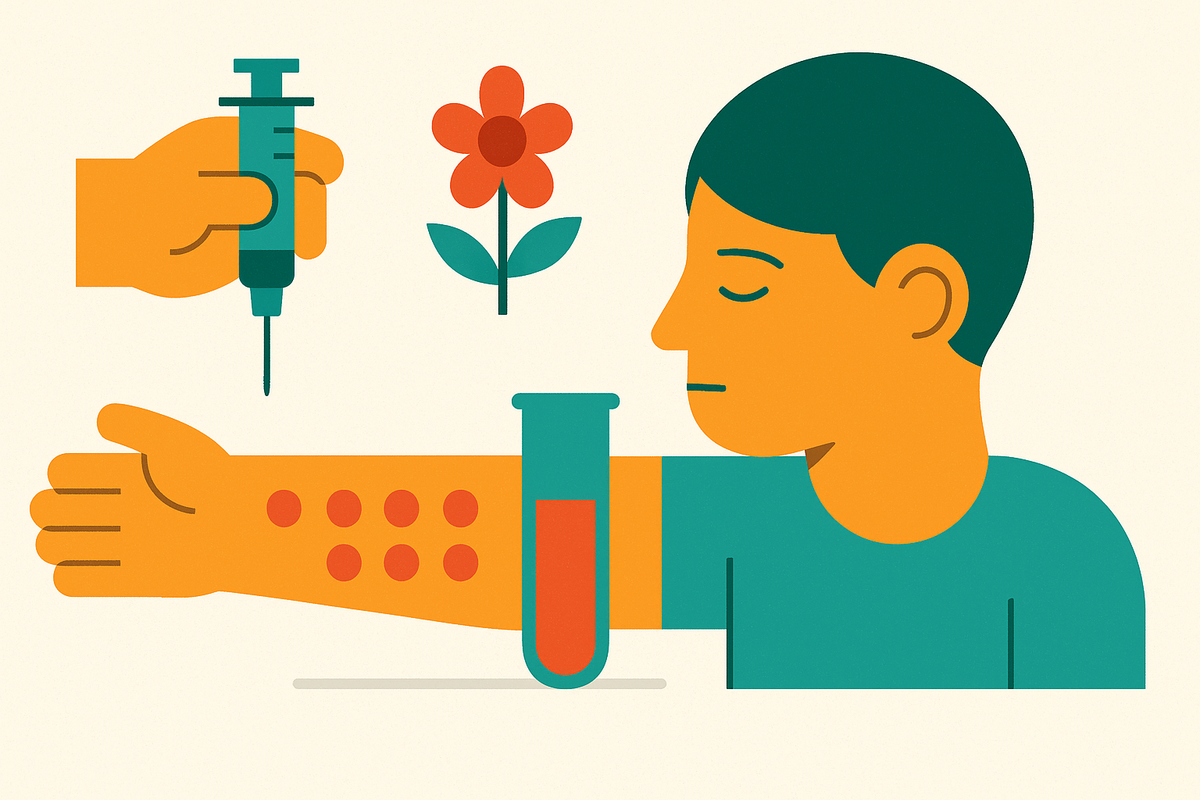
Blood tests and skin prick tests measure the same immune response with comparable accuracy.
Why your skin reacts differently to allergens, and what that tells you.