How Undiagnosed Allergies Produce Chronic Fatigue and Cognitive Impairment
Undiagnosed allergies trigger immune inflammation that mimics chronic illness symptoms.
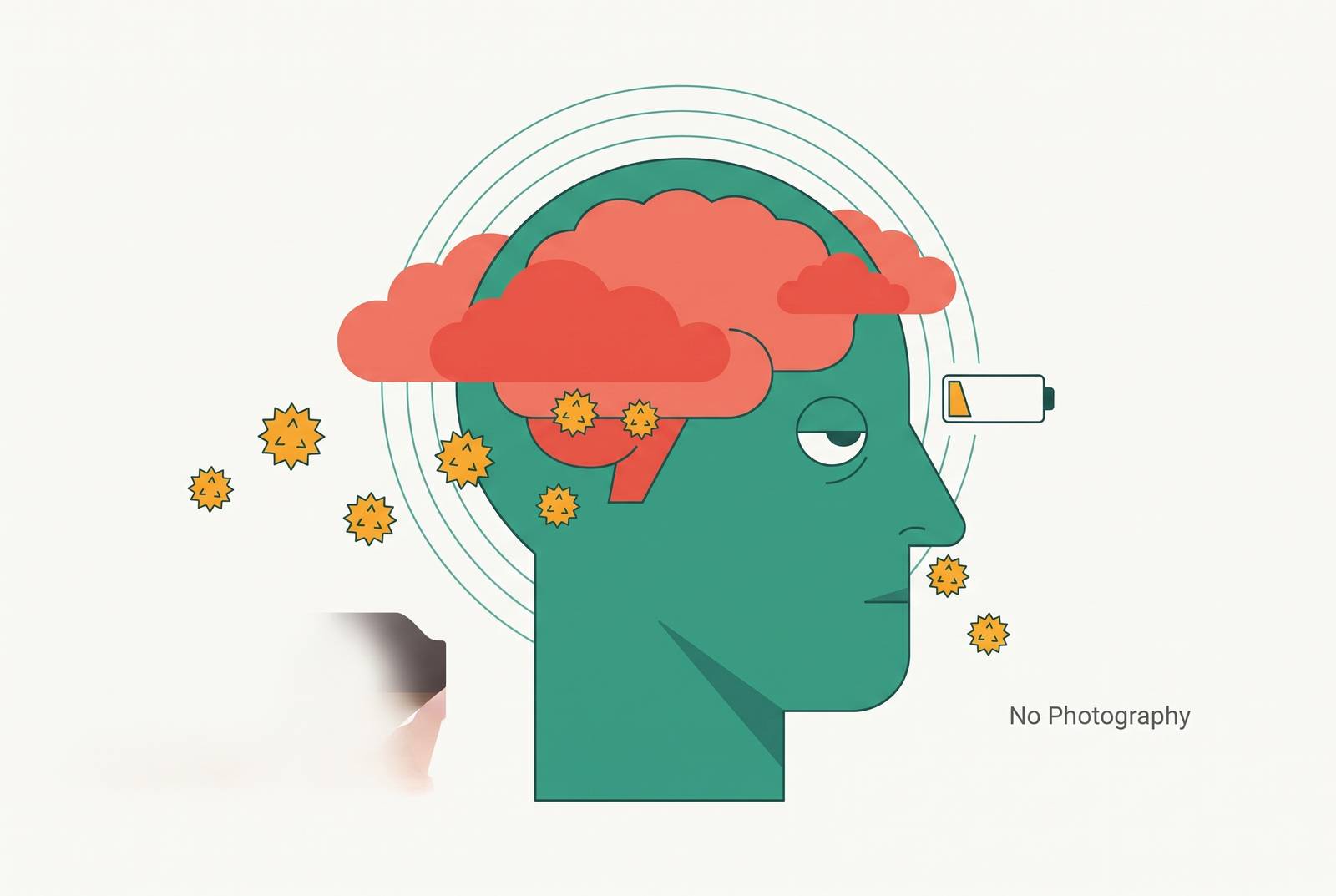
Environmental allergies that go undiagnosed can add to chronic fatigue, brain fog, and poor sleep by keeping immune inflammation active, even without dramatic sneezing or hives. Cytokine signaling can produce illness-like exhaustion, while congestion and some allergy medicines add to the cognitive burden. Identifying whether allergy is driving the symptoms and which allergens are involved is key.
Why chronic allergy sufferers feel permanently sick without knowing why
The morning grogginess never quite lifts, it takes more effort to concentrate at work, and even with extra sleep, the person still feels drained. Something feels wrong, but the symptoms never form a clear picture. There is no dramatic episode to explain it. Instead, a person can feel mildly unwell for years without a clear answer as to why it takes so much effort to get through an ordinary day.
Without obvious hives or violent sneezing, stress and workload seem like reasonable explanations. Poor sleep seems like another. Yet those explanations can leave an ongoing environmental allergy unrecognized, particularly when fatigue is more noticeable than nasal symptoms. If the exposure continues every day, the person may never experience a long enough break to recognize the contrast between feeling well and living with allergic inflammation.
How an allergic immune response generates fatigue and cognitive symptoms at the molecular level
The biological connection begins when the immune system treats a harmless allergen as an invader. That response releases histamine and cytokines, signaling proteins that help coordinate immune activity. Cytokines also participate in the exhaustion and mental slowness associated with acute illness. The tiredness is not simply lost sleep. An allergic response can produce systemic fatigue.
A viral cold offers a useful comparison. During an acute illness, signals from the immune system help explain why thinking feels slower and everyday tasks feel hard. An unaddressed allergy can sustain a similar illness-like state while the trigger remains present, although allergy and viral infection are not the same process. The important distinction is the exposure pattern. A recurring or continuous allergen can keep provoking the response and prevent a clear recovery.
Histamine and inflammatory cytokines can also affect cognitive function through multiple pathways. Difficulty concentrating, memory lapses, and mental cloudiness can therefore accompany the physical fatigue. This explains why a person may feel both exhausted and unable to think clearly, rather than merely sleepy. It also explains why more time in bed may not fully restore function when inflammation remains active.
What "brain fog" actually means as a cognitive state, and why allergy produces it
“Brain fog” describes a cluster of cognitive symptoms. The pattern includes slower information processing, difficulty sustaining attention, impaired working memory, confusion, and forgetfulness. A person may feel mentally hazy because it is harder to do tasks that need these abilities. Attention, information processing, memory, and reaction time are also functions that neurocognitive testing can assess.
In chronic inflammatory and fatigue states, cognitive symptoms can accompany the body's immune response. Altered regulation of cerebral blood flow has also been discussed as a possible contributor in chronic fatigue states. That possibility should not be treated as an established explanation for every case of allergy-related brain fog.
With long-lasting allergies, the cognitive burden can become chronic and affect motivation or increase irritation. However, brain fog alone does not establish allergy as its cause, because other conditions can produce the same pattern. When an ongoing allergic response is contributing, leaving its trigger unaddressed gives that contribution no clear reason to resolve.
How nasal congestion and disrupted sleep amplify the cognitive burden
Allergic inflammation can impair sleep as well as cause fatigue directly. Histamine contributes to widening blood vessels and allowing fluid to move into nasal tissues, producing swelling that increases resistance to airflow. A blocked nose can then force a person to breathe through the mouth while asleep. Recovery becomes harder just when it is needed. The resulting sleep may be unrefreshing despite enough hours spent in bed.
The bedroom can also be an exposure site. Dust mites in bedding and pet dander in the room can provoke symptoms during the hours meant for recovery. For someone sensitive to those allergens, nighttime is not necessarily a break from the immune trigger.
By the next morning, the combined effects of disrupted sleep and ongoing immune activity may affect attention, concentration, and processing speed. That helps explain why allergic rhinitis can affect school or work performance, social relationships, and family functioning.
Why do allergies go undiagnosed when fatigue and poor concentration persist
Fatigue, poor concentration, and unrefreshing sleep do not point neatly to one diagnosis. Stress, overwork, poor sleep habits, and depression can all cause some of the same symptoms. The diagnostic difficulty is that an allergic contribution can remain outside the picture when obvious sneezing or hives are absent.
Children evaluated for ADHD provide a particularly consequential example. Undiagnosed allergic disease can leave a child congested, sleeping poorly, fatigued, and inattentive at school. From the classroom, difficulty paying attention may be more visible than breathing difficulties or inflammation. When those symptoms play a part, treating the allergic disease can change how well the child does at school. That does not mean allergy explains ADHD generally or that inattention establishes an allergic cause.
The same mismatch between the visible symptom and its driver can affect adults. Difficulty concentrating at work is easy to interpret as overload, especially when feeling tired has become routine. If the allergy goes unnoticed, treatment may be based for years on an explanation that leaves out part of the cause. Even when someone suspects allergies and takes medicine for relief, that medicine can add to cognitive impairment.
The cognitive cost of the medications most allergy sufferers are already taking
First-generation antihistamines can worsen the very mental slowness that prompts someone to seek relief. These drugs are highly fat-soluble and cross the blood-brain barrier easily, where they can cause sedation, impair coordination and response speed, and have anticholinergic effects. Relief and impairment can arrive together. The cognitive tradeoff may be far less apparent than the relief of nasal symptoms.
An evening dose can also affect the following day. Residual effects can include drowsiness, fatigue, dizziness, impaired cognition, reduced psychomotor performance, and slower reactions. A person may blame morning fog on allergy or poor sleep when the medicine is also making it harder to think clearly. Taking a drug at night does not necessarily confine its effects to nighttime.
Diphenhydramine is an anticholinergic drug, and increased use of that drug class has been associated with dementia risk. Association does not establish that an individual dose causes dementia. Second-generation antihistamines tend to have less effect on thinking, though they can still have cognitive and psychomotor effects. Even when a medicine relieves symptoms without noticeable sedation, blocking a symptom signal does not remove the immune system's sensitivity to the allergen.
Why symptom suppression leaves the cytokine cycle intact, and what addressing the root cause requires
The WAO 2026 SLIT Position Paper describes sublingual immunotherapy as a well-established form of allergen immunotherapy with demonstrated efficacy and a favorable safety profile in antibody-mediated allergic diseases, particularly allergic rhinitis and allergic asthma. Its relevance is the treatment target. Rather than only interrupting symptoms, allergen immunotherapy aims to retrain the response to the allergen. That is a different task from short-term relief.
Antihistamines block histamine at its receptors, but they do not erase the underlying sensitization that starts the allergic cascade.
The position paper also describes potential disease modification, including lowering the risk of developing asthma in people with allergic rhinitis alone and preventing worsening of existing asthma. Those are broader outcomes than temporary relief of nasal symptoms. They support the logic of moving from repeatedly managing the consequences of allergy to addressing the allergic response itself. They do not, however, establish a guaranteed cognitive recovery for every person with brain fog.
For patients whose symptoms are driven by allergy, the treatment implication is to distinguish symptom management from desensitization. SLIT addresses the immune response through allergen exposure intended to build tolerance. Whether it is suitable depends on finding which allergy is involved, and its day-to-day benefits must be weighed against those of allergy shots.
The practical tradeoffs between allergy shots and sublingual immunotherapy for patients whose cognitive load is already high
Subcutaneous immunotherapy, or SCIT, delivers treatment through allergy shots, while SLIT delivers it under the tongue. Comparative evidence described in the brief found no significant distinction in quality-of-life outcomes using the Rhinoconjunctivitis Quality of Life Questionnaire, a finding limited to that specific comparison. Shots may offer an onset-speed advantage.
Shots require in-office administration and a post-injection observation period because of anaphylaxis risk. A physician with resuscitative measures must be available at each visit. Weekly appointments can demand transport, planning, and time away from other obligations. Those demands can be especially hard when fatigue and brain fog already make it difficult to plan appointments and stay focused.
SLIT allows daily treatment under the tongue at home, reducing repeated clinic travel. Severe systemic reactions are rare, while local itching, swelling, or irritation in the mouth and throat are typically temporary and occur early in treatment. Home administration also requires adherence to a daily routine. For a cognitively depleted patient, the meaningful comparison includes both clinical suitability and which routine can realistically be sustained.
How identifying the specific allergen changes the treatment outcome, and what testing now looks like
Immunotherapy can only target the allergens included in treatment, making identification of the actual trigger a prerequisite. Fatigue alone cannot reveal that trigger. Neither can the broad label “environmental allergy,” because indoor and outdoor allergens have different exposure patterns, and a person may be sensitive to several at once.
Dust mites thrive in warm, humid environments and live in bedding, upholstered furniture, and carpets. Unlike seasonal pollen, they can present a year-round problem, including during sleep. Mold can also be a perennial indoor concern in damp, poorly ventilated spaces, as well as occur outdoors in leaf piles, grass, mulch, and hay. Mold spore levels are highest when the weather is hot and humid. These patterns help explain why persistent symptoms do not have to follow a familiar pollen season.
Pet allergens come from skin scales and proteins associated with oil and salivary glands, fur, and saliva. Exposure can persist after an animal leaves a space. Tree, grass, and weed pollens, by contrast, are seasonal, with levels highest in the morning and on warm, windy days. Overlapping exposures make observation alone an uncertain way to identify the cause. An apparent nighttime pattern may be informative without identifying a single allergen.
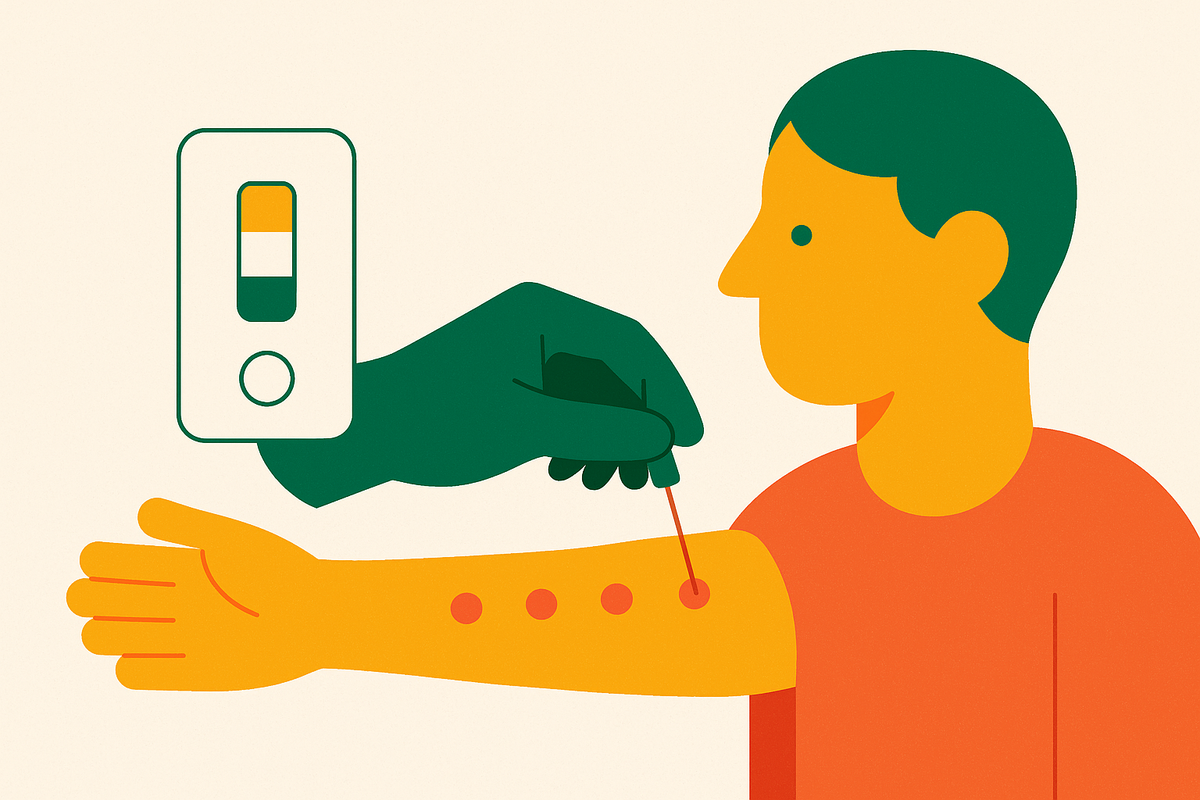
The diagnostic implication is to connect the fatigue, cognitive symptoms, and sleep disruption with the person's allergy symptoms and exposure pattern, then use testing when the trigger remains unclear or immunotherapy is being considered. Medication effects belong in that picture too. Testing is especially valuable when symptoms are severe or several allergens may be involved. A sensitivity result needs to be considered with the symptoms rather than treated as a complete explanation on its own.
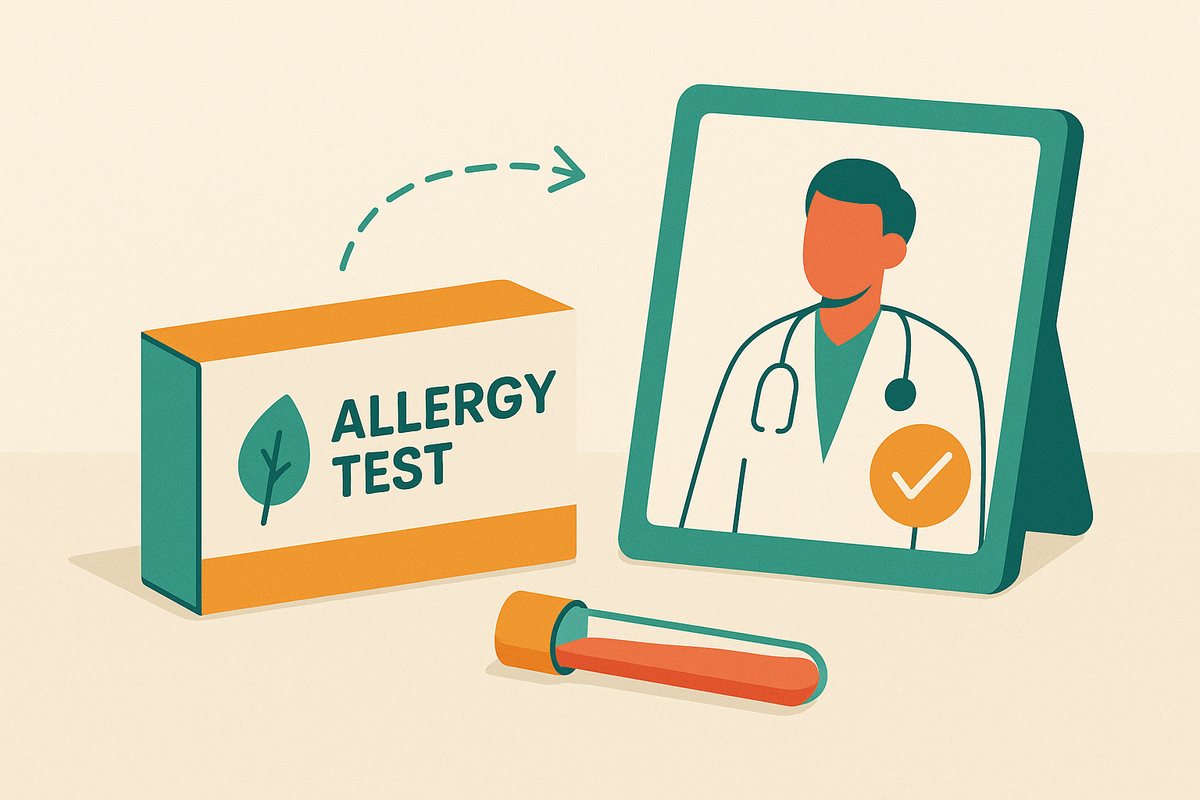
Telehealth services can ship a fingerstick collection kit, provide a video consultation with a physician, and return an allergen sensitivity profile without requiring an in-office collection appointment. For someone already struggling with fatigue, reducing that logistical burden can make assessment more accessible. The goal is not merely to attach an allergy label to unexplained exhaustion, but to identify whether a specific, treatable immune trigger is helping keep it in place.
Sources
- World Allergy Organization Sublingual Immunotherapy Position Paper: 2026 update - World Allergy Organization Journal
- Caught in the thickness of brain fog: exploring the cognitive symptoms of Chronic Fatigue Syndrome
- Brain fog of post-COVID-19 condition and Chronic Fatigue Syndrome, same medical disorder?