Children and Sublingual Immunotherapy Safety Evidence
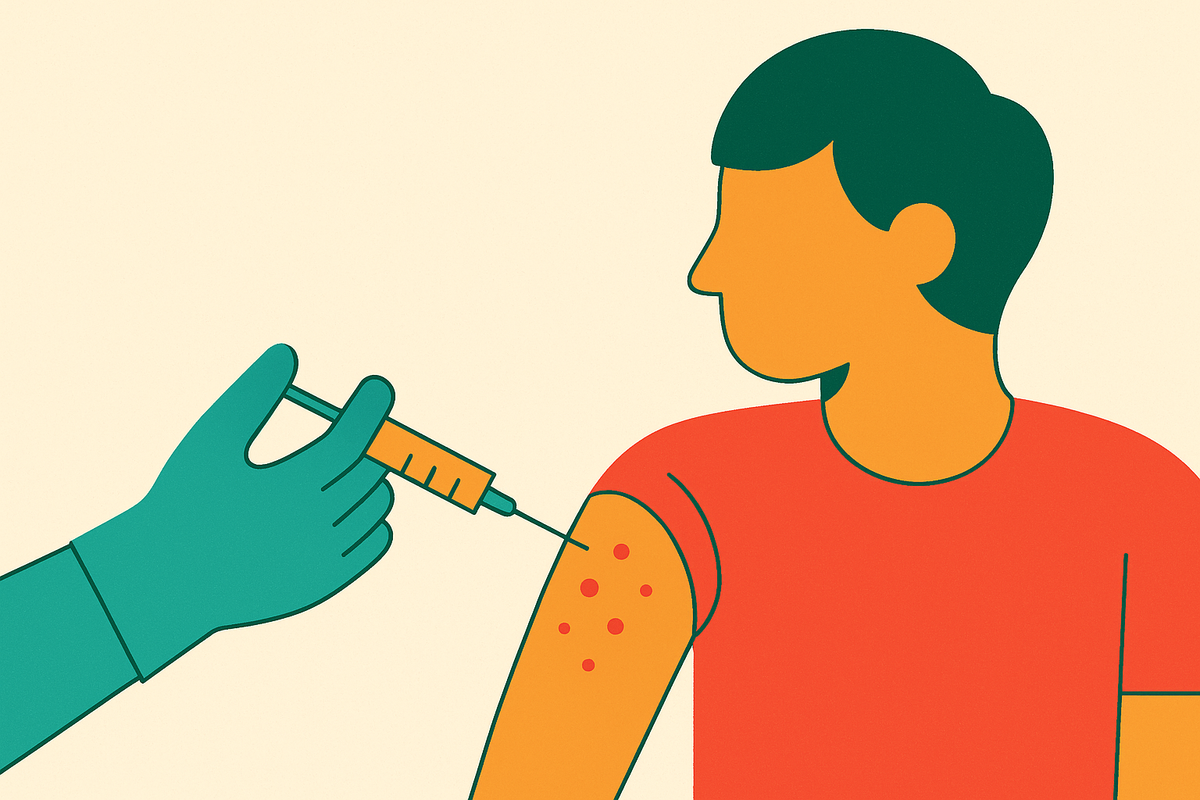
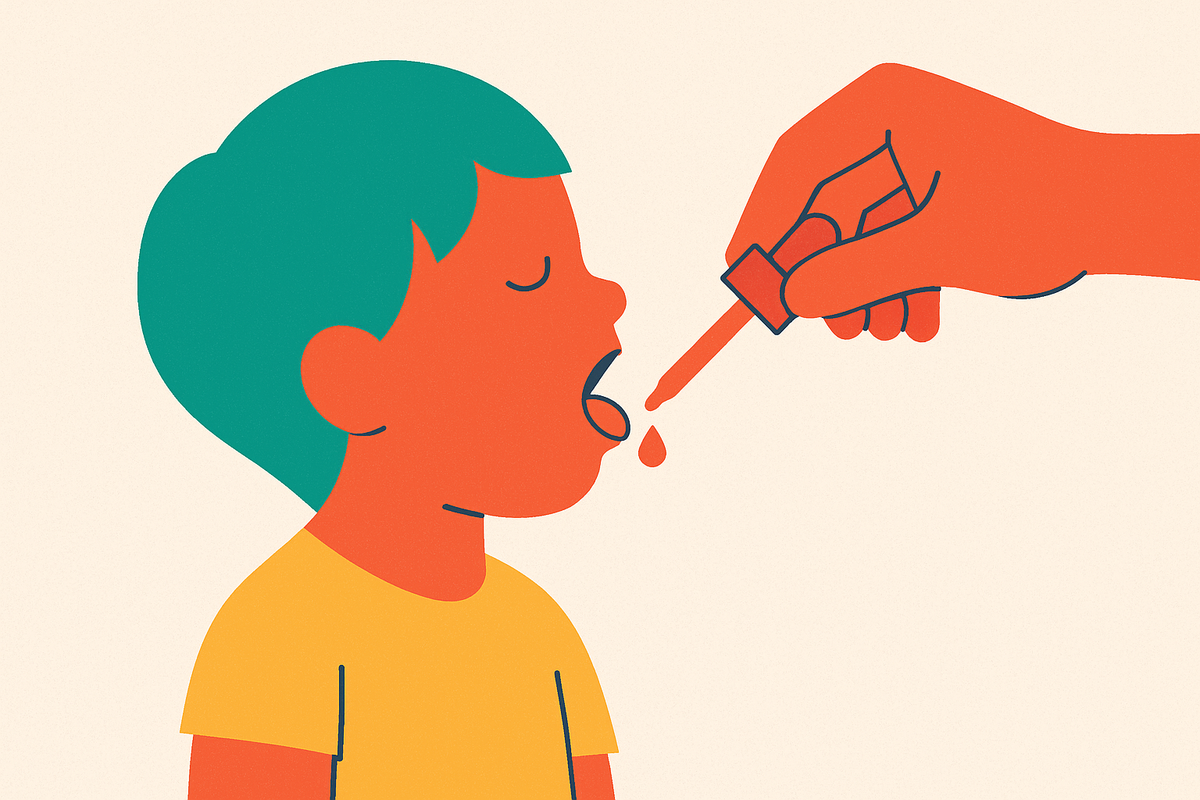
Sublingual immunotherapy shows a strong safety record in children ages 5–11.
Diego Lindqvist
Section
17 stories in Allergy Shots, Drops, and Tablets.
Sublingual immunotherapy shows a strong safety record in children ages 5–11.
The time commitment, not the needle, is why most people quit allergy shots.
Three years of treatment locks in lasting immune tolerance that survives after stopping.
Effective multi-allergen SLIT requires hitting each allergen's therapeutic dose separately.
Drops placed under the tongue retrain immune cells to stop attacking harmless allergens.
Safety and adherence matter more than raw efficacy numbers.
Reuse your old allergy tests to start immunotherapy without repeating expensive diagnostics.
Telehealth allergy clinics deliver personalized immunotherapy without office visits.
These providers use the same marketing language but differ drastically on testing and oversight.
Sublingual tablets retrain your immune system instead of just masking allergy symptoms.
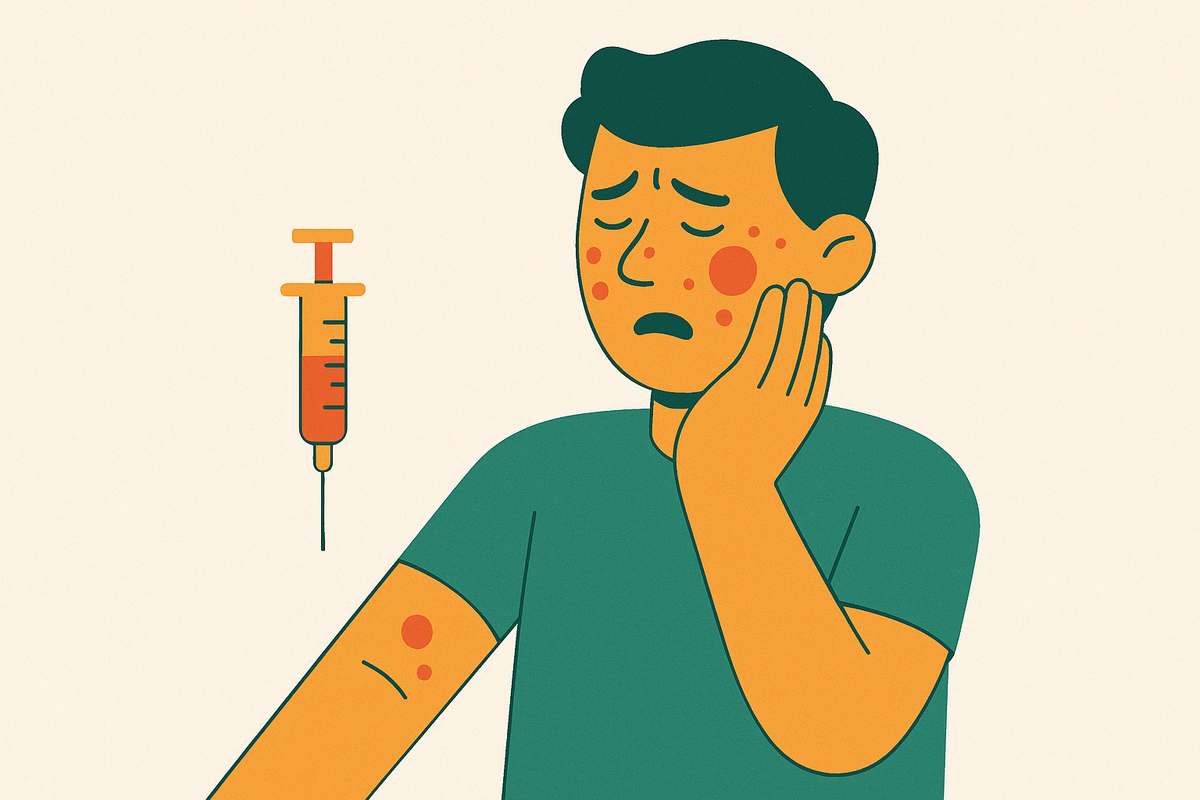
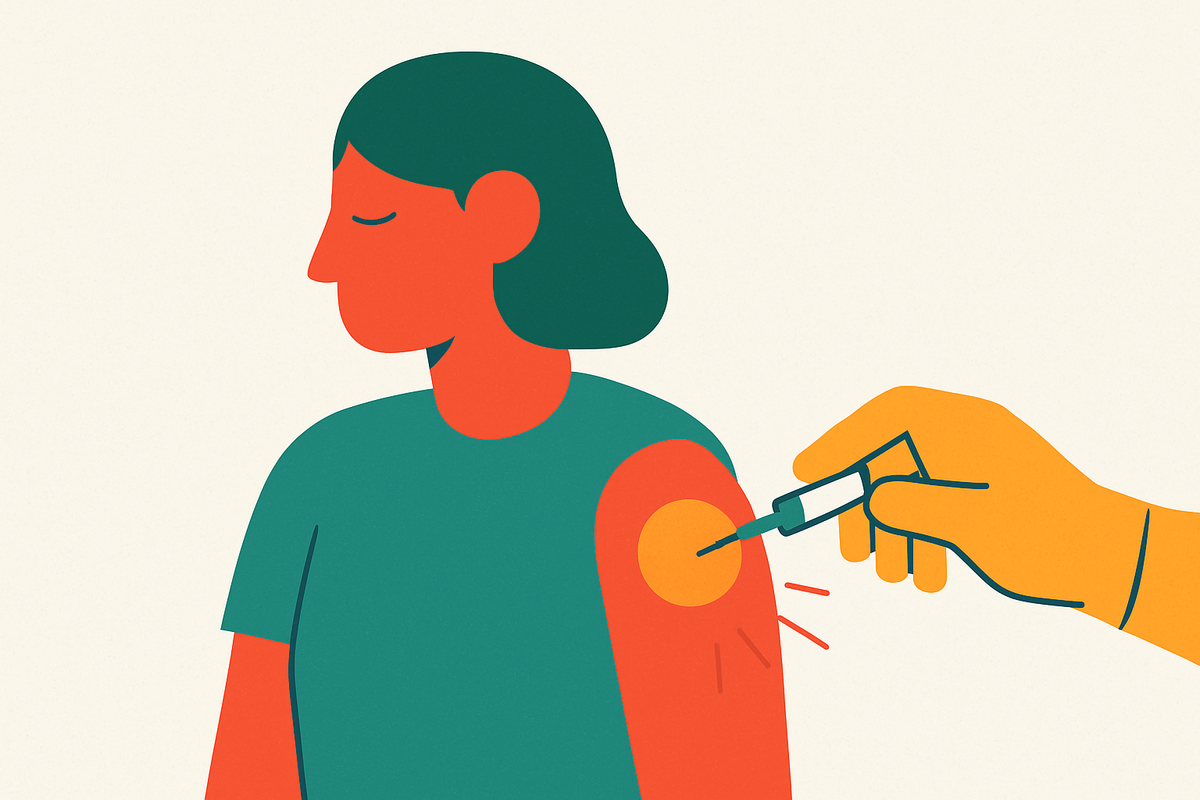
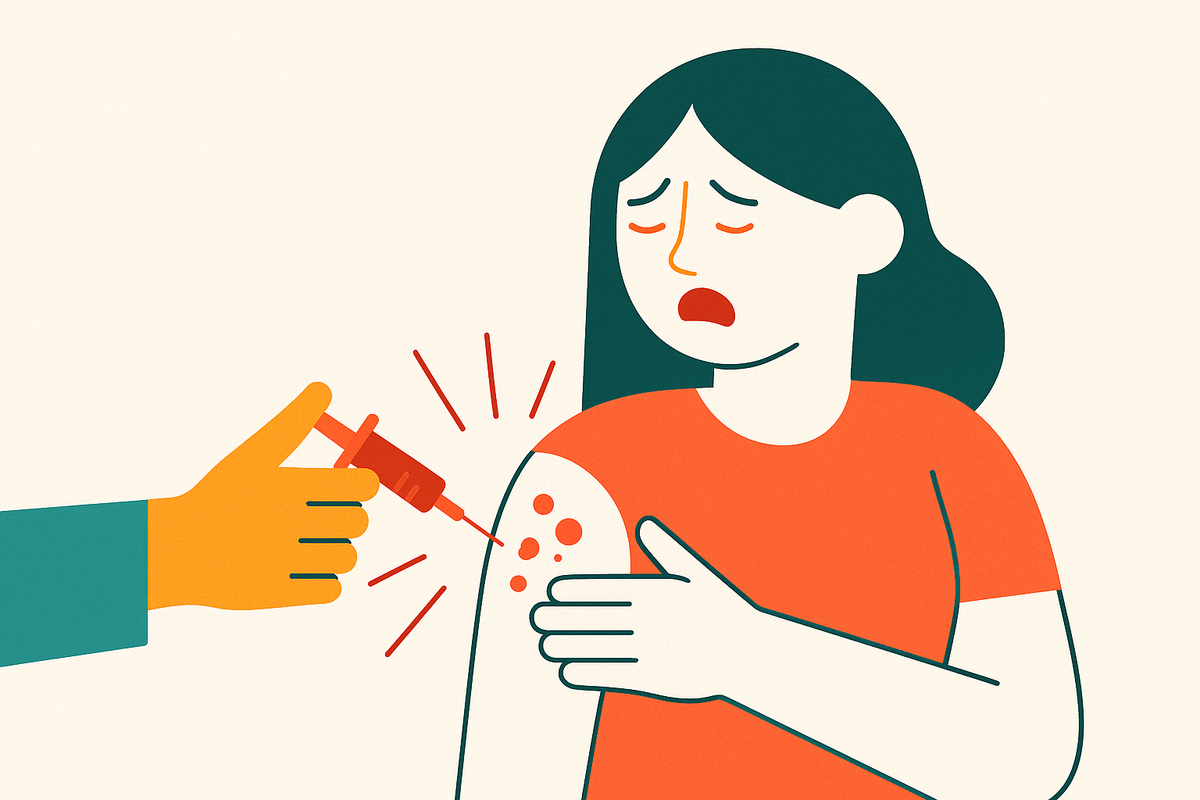
Mild local reactions are common, but systemic reactions demand supervised epinephrine access.
Uncontrolled asthma and prior reactions drive most serious complications hours after injection.
Years of visits and mandatory waiting rooms make the schedule itself the real hurdle.
It calms itchy skin conditions but won't touch seasonal allergies.
What patients don't learn until years in: tolerance fades fast if you quit early.
Delayed reactions and seasonal flare-ups make side effect timing unpredictable for most patients.
Know the difference between a local lump and a systemic reaction requiring immediate care.