Dog Allergy Symptoms and Reaction Triggers
Dog dander, not fur, triggers allergies through proteins in saliva and urine.

A short-haired dog can trigger the same allergic reaction as a long-haired one, because fur was never the actual allergen. Dog dander, saliva, and urine all carry the real triggers, and each one counts as an independent source of exposure. Cleveland Clinic describes dander as tiny scales shed from skin, fur, hair, or feathers. The flakes themselves carry the proteins the immune system reacts to, not the hair strand they ride in on. Saliva and urine add their own protein loads, too, so even a dog that sheds very little can still spread plenty of allergen just by licking and normal elimination. Hair still plays a role, but as a carrier rather than a cause: it traps dander, mold spores, pollen, and dust mites, then deposits all of it into carpets, cushions, clothing, and even walls.
How a harmless dog protein triggers an immune response
The process is IgE-mediated, named for the antibody involved: immunoglobulin E. On first exposure to a dog protein, the body manufactures IgE antibodies tuned specifically to that protein. Those antibodies then travel to mast cells, the immune system's allergy cells, and attach to receptors on their surface. The next time that same protein shows up, the mast cells release histamine and other inflammatory chemicals, and histamine directly produces the sneezing, swelling, and itching people recognize as an allergic reaction. Some people carry IgE antibodies tuned to just one animal protein, while others carry a whole set tuned to multiple allergens, which explains why one person reacts only to dogs while another reacts to dogs, cats, and dust mites all at once. Because this entire chain runs on antibody memory rather than on how much fur is floating around a room, reducing shedding or buying a low-shed breed does nothing to interrupt it. The antibodies are already primed for the protein, and they'll fire every time that protein shows up again, no matter how the dog looks.
Dog allergy symptoms, from mild congestion to asthma attacks
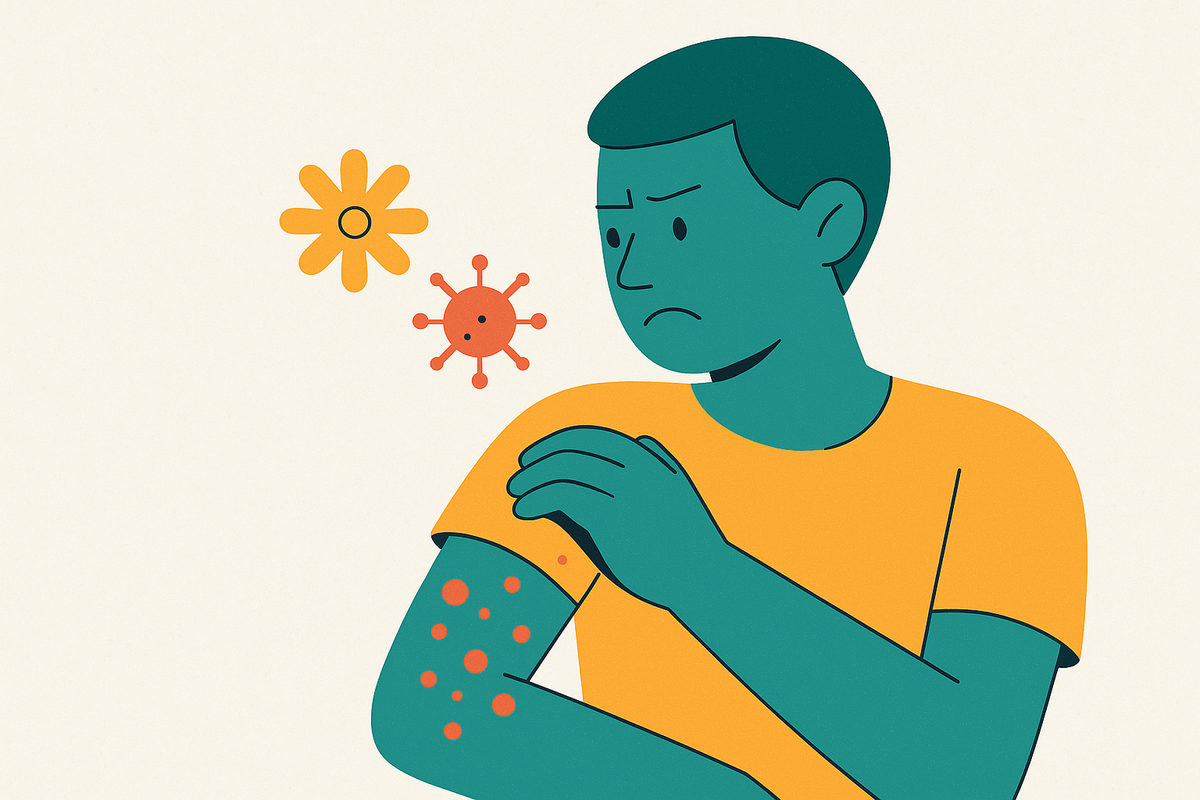
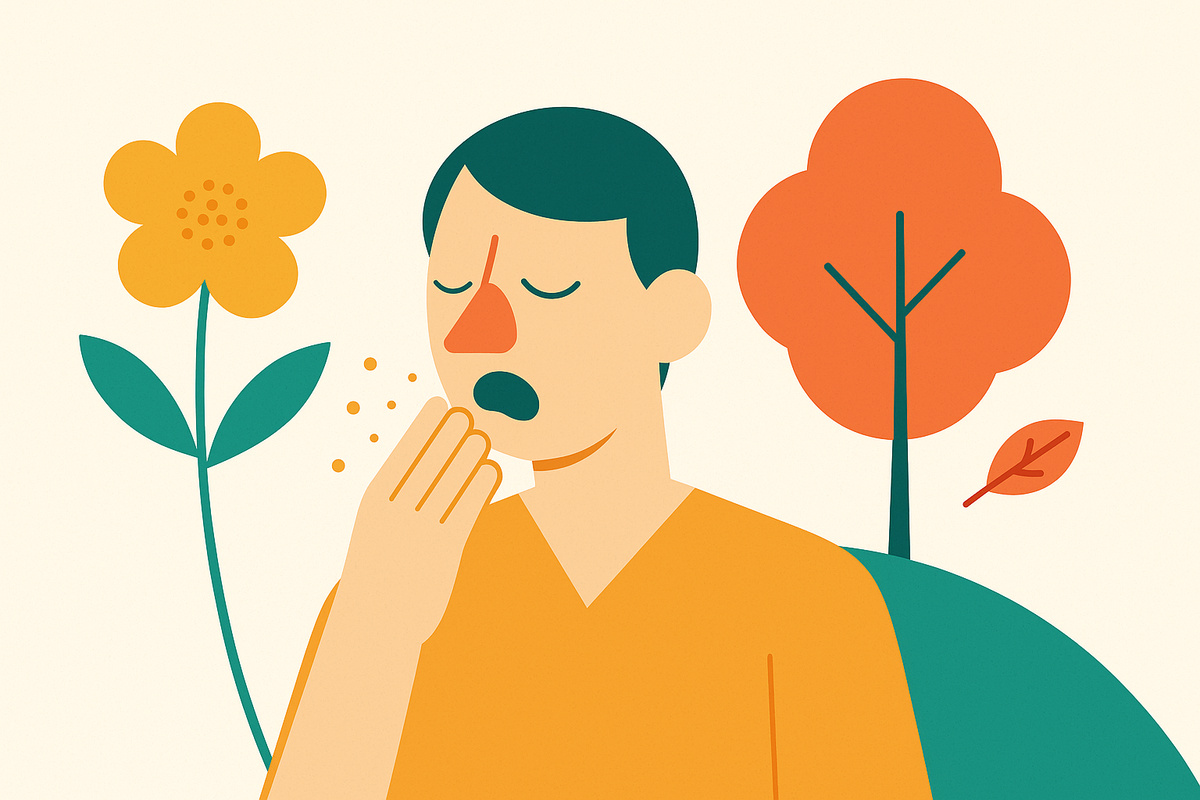
Allergic reactions to dogs occur across several different systems in the body, and the pattern is wider than most people expect. Nasal symptoms are the most familiar: a runny or itchy nose, congestion, postnasal drip, and sneezing. Eyes often join in, becoming itchy, watery, red, or swollen. Skin reactions are common too, ranging from hives on the face or chest to a rash that breaks out specifically where a dog has licked the skin. Respiratory symptoms can escalate further, into coughing, wheezing, and shortness of breath, and a scratchy throat often rounds out the list. Cleveland Clinic treats worsening asthma as its own distinct symptom category rather than folding it into general respiratory complaints, and that distinction matters: someone with asthma and a dog allergy is dealing with two conditions compounding each other, not one condition with slightly worse breathing. Timing is where things get genuinely confusing for a lot of sufferers. Cleveland Clinic notes that severe pet allergies can produce symptoms within minutes of exposure, but mild allergies may not appear for hours or even days afterward. Because of that delay, someone with a lower-grade sensitivity might never connect their afternoon headache or evening cough to the dog they petted that morning, so they chase the wrong explanation for months. If you're managing both asthma and a pet allergy, you sit in a higher-risk category, so that combination calls for medical evaluation, not at-home guesswork.
Dog allergies in dogs versus in people
Dog owners managing their own allergy symptoms are sometimes also watching their dog scratch, lick, or shake its head, and it helps to know these two reactions don't look anything alike. In dogs, allergic reactions show up overwhelmingly in the skin and ears, not the respiratory tract. Itchy skin is the most common allergic symptom in dogs, usually accompanied by excessive scratching at the face, ears, paws, belly, skin folds, and hind end. Allergic dermatitis is the general term for these skin allergies, and it's the most common allergic condition dogs develop, often bringing inflamed skin and secondary bacterial or yeast infections with it. Facial swelling can also appear, typically around the eyes, ears, nose, and muzzle, developing anywhere from 30 minutes to several hours after exposure to whatever triggered it. Some dogs develop gastrointestinal symptoms instead, with vomiting or diarrhea standing in for the sneezing a human sufferer might report. In rare but serious cases, a dog's allergic reaction can escalate into anaphylaxis, so that counts as a medical emergency and needs immediate veterinary care. One more distinction matters here: the allergens that make a dog's owner sneeze (dander, saliva, urine proteins) are not the same substances the dog itself usually reacts to. Dogs are typically responding to flea saliva, certain food ingredients, pollen, mold, or dust mites, so the owner's allergy and the dog's allergy are often two completely separate immune stories playing out in the same household.
Why dog dander lingers in homes after the dog is gone
Removing the dog from the house doesn't remove the allergen from the house, at least not quickly. Dander can linger in a home for up to six months or longer after the pet itself is gone, because the particles are small enough to work their way into fabric and furniture fibers rather than sitting on the surface where a quick wipe-down would catch them. Detectable dander levels appear in nearly all U.S. homes, including a large number that have never housed a pet at all, because it rides in on clothing or circulates through shared ventilation systems. Central heating and air conditioning make this worse because they actively push dander through ductwork into every room, even ones a household has deliberately kept pet-free. Carpets, upholstered furniture, drapes, and horizontal blinds act as the main reservoirs, holding onto particles long after the obvious surfaces look clean. Standard vacuum cleaners often make the problem worse rather than better, since their filters can let the finer allergen particles pass straight through and back into the air. That is why HEPA-filtered vacuums matter specifically for allergen control. Dogs that spend time outdoors add another layer, since their fur picks up mold, pollen, and dust mites along with their own dander and carries all of it back inside at once. None of this means environmental cleanup is pointless. It means cleanup has a ceiling, and sufferers who rely on it alone are managing exposure, not eliminating it.
Allergies and chronic fatigue: the hidden health costs of ignoring symptoms
Persistent dog allergy symptoms don't stop at the nose and eyes. They set off a chain reaction that appears as fatigue, poor sleep, and difficulty concentrating, which explains why so many people miss the connection to their dog. Cleveland Clinic confirms that pet allergies can cause fatigue on their own, and nasal congestion and coughing make it hard to fall asleep and stay asleep, so that broken sleep feeds the fatigue even more. Lying down tends to worsen nasal congestion, which pushes allergy sufferers toward mouth breathing and fragments their rest even when they don't fully wake up. Mouth breathing carries its own downstream effects: it tends to increase snoring, lower overall sleep quality, and in some cases it worsens airway obstruction enough to raise the risk of sleep apnea. The inflammation driving all of this isn't just a local nose-and-eye problem either. Immune activation releases inflammatory compounds that can interfere with attention and slow cognitive processing, so the brain fog that occurs during high-exposure periods has a physical basis rooted in inflammation. Children carry a particularly easy-to-miss version of this cost: a kid who seems distracted or unfocused in class may be dealing with congestion-driven sleep loss. The same thing can happen to working adults who feel mentally drained around dogs or during high-dander stretches of the year. That drained feeling may come from ongoing low-grade inflammation and its toll on your body rather than stress or overwork, so ask that question before you assume the cause is something else.
Because dog allergy symptoms vary so widely in onset and severity, from a delayed mild reaction to a respiratory emergency within minutes, sufferers routinely mistake what's happening for a cold or a minor irritation and put off getting answers. Personalized allergy testing, including at-home finger-prick assessments offered through telehealth allergy clinics, can show you exactly which dog allergens you react to. That answer separates a genuine dog allergy from other conditions with overlapping symptoms, and it replaces guesswork with a targeted plan.
Finding out if allergies are causing your fatigue and brain fog
A dog allergy can cost you sleep and daily function, so the next step is finding out whether that's actually what's happening. Allergy testing exists because dog allergy symptoms overlap heavily with other conditions, including reactions to pollen or mold the dog happens to be carrying on its coat from outside. Some people who believe they're allergic to dogs are actually reacting to the pollen or mold the dog tracked in, and in those cases, getting rid of the dog would solve nothing. That's the kind of mistake only a proper diagnosis can catch. Two testing methods are standard. A blood test, known as an IgE test, exposes a blood sample to specific allergens and measures antibody levels to find out which ones are elevated. A skin prick test places small droplets of allergens directly on the skin and tracks the reaction that follows. Cleveland Clinic notes that the blood test identifies allergen-specific IgE, which gives a physician the exact information needed to confirm which proteins are driving someone's symptoms. Testing alone isn't always the final word. A physician might also recommend a period of separation from the dog to see whether symptoms actually resolve, confirming the dog as the source. Testing also catches co-sensitization: a person might be allergic to dog dander and to dust mites or mold at the same time, and that combination changes the treatment plan considerably. Wyndly offers at-home finger-prick testing paired with virtual consultations, so you can get a physician-guided diagnosis without first scheduling an in-office visit, which closes a real access gap if you've been managing symptoms on your own without ever finding out what's actually causing them.
Treatment options that target the immune mechanism
Everything up to this point, the protein trigger, the IgE cascade, the symptom range, the fatigue and fog, points toward one real question: how does someone actually fix this? Antihistamines, nasal corticosteroids, and decongestants work by suppressing histamine release or reducing inflammation after it's already started. They do their job for the hours they're active, but they don't touch the underlying IgE sensitization, and the benefit disappears the moment someone stops taking them.
Immunotherapy targets the sensitization itself rather than its output, and whether delivered as shots (subcutaneous immunotherapy) or as drops and tablets placed under the tongue (sublingual immunotherapy), the method introduces small, carefully increasing amounts of the allergen over time, so it retrains the immune system to stop treating the protein as a threat. That process typically runs across several years, not weeks, because retraining antibody behavior takes sustained, repeated exposure under controlled conditions. Allergy shots require in-office visits because of the risk of systemic reactions, including anaphylaxis, but you can take sublingual immunotherapy at home after an initial medical consultation, so it removes the burden of repeated clinic trips.
Because dog allergies are IgE-mediated reactions that persist and tend to worsen with repeated exposure, symptom management alone, antihistamines or nasal sprays, only ever addresses the histamine release in the moment. At-home sublingual immunotherapy, offered by telehealth allergy providers including Wyndly, works to retrain the immune system's response to the specific dog proteins behind the reaction, aiming at lasting relief.
Environmental management still earns its place in this picture. HEPA filters, keeping dogs out of bedrooms, and regular cleaning with HEPA-filtered vacuums all reduce the amount of allergen a person encounters day to day. But given how far dander travels and how long it lingers, avoidance alone was never a complete answer, and it works best as a complement to immunotherapy. The barrier to finding out what's actually driving a dog allergy, and doing something that changes it rather than just manages around it, turns out to be lower than most sufferers assume.