
Diagnosing Allergic Rhinitis vs. Non-Allergic Rhinitis
Antihistamines only work if histamine is actually driving the inflammation.
Theodora Szymańska
IgE antibody levels fluctuate with allergen exposure, changing test results.
Antihistamines only work if histamine is actually driving the inflammation.
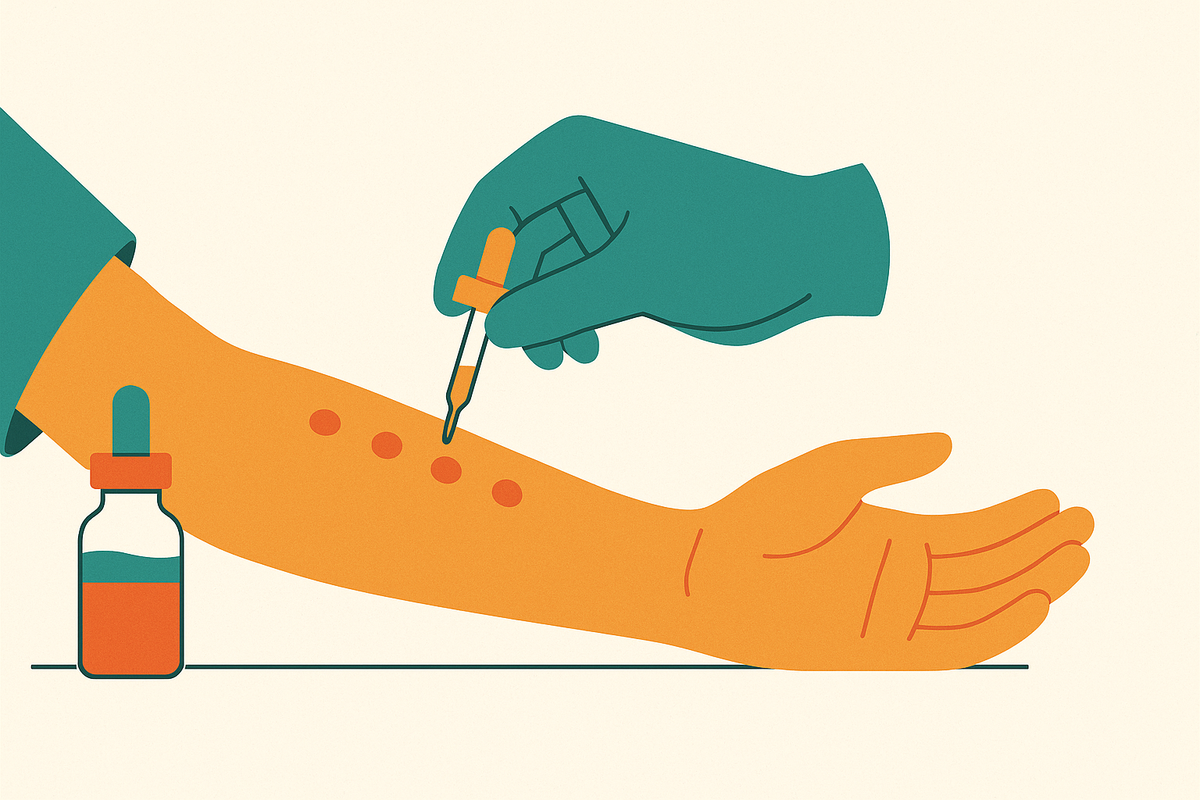
Antihistamines and lotions will ruin your results—here's how to prepare correctly.
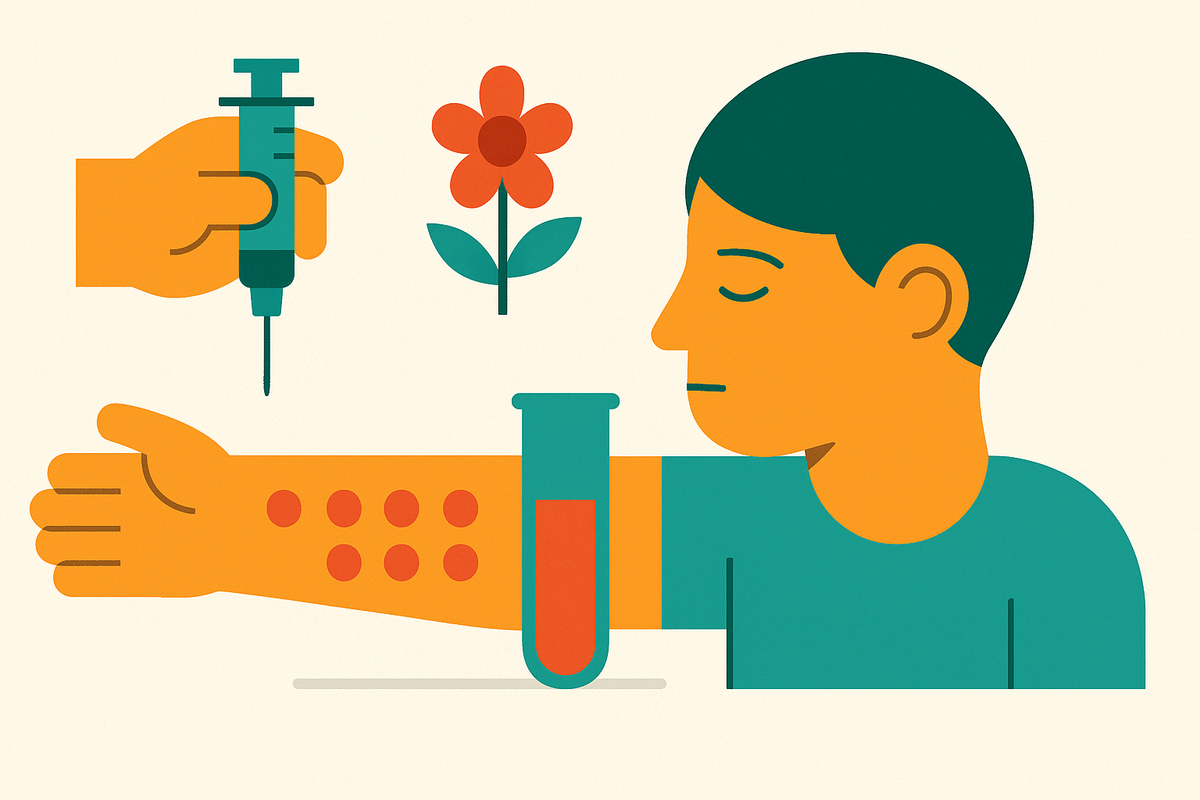
Blood tests reveal which indoor allergens your immune system recognizes and overreacts to.
Proper testing before immunotherapy reveals unsuspected allergens patients miss.
Positive test results show sensitization, not necessarily the allergies causing your symptoms.
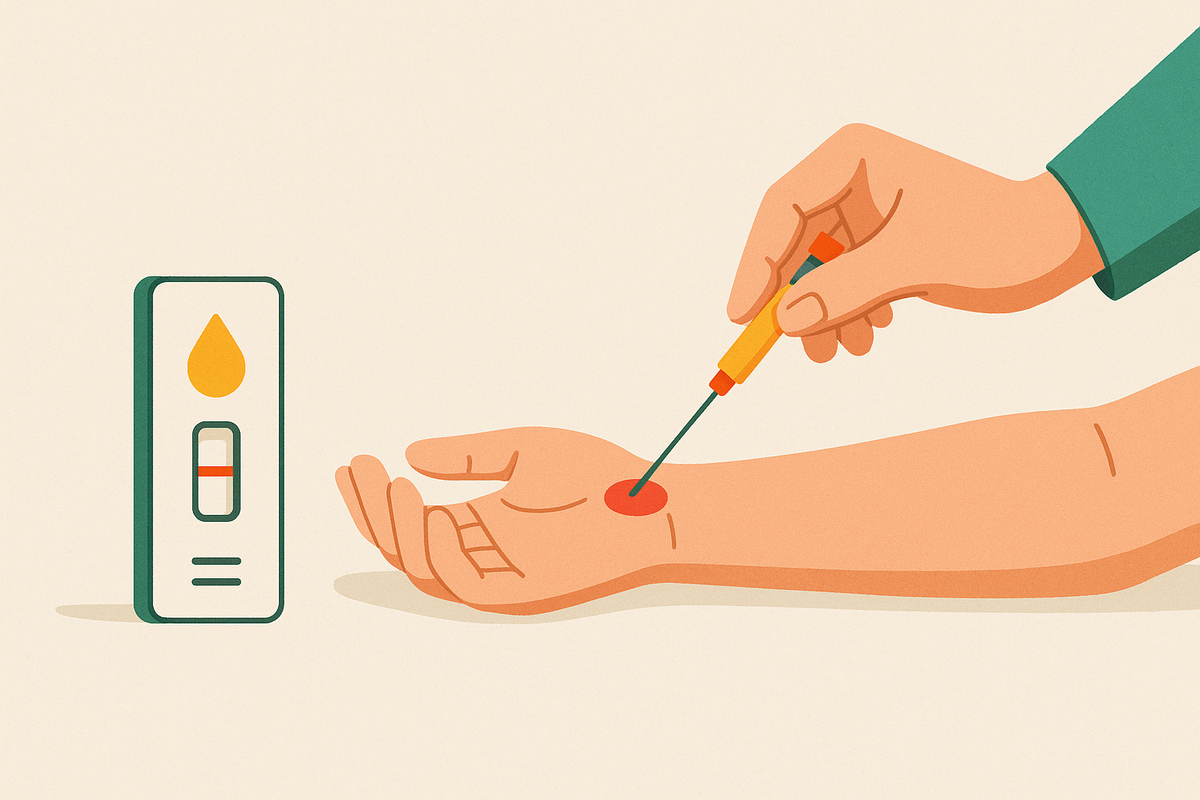
At-home IgE tests are credible screening tools, but accuracy hinges on antibody type, not location.
The true cost spans three to five years of testing, serum, and hundreds of clinic visits.
The buildup phase carries highest risk, and stopping early forfeits years of accumulated tolerance.
Two immune pathways explain why some skin reactions appear in minutes and others take days.
Itchy eyes and rapid onset point to allergies; fever and color-shifting mucus suggest a cold.
Local reactions appear within hours or days; systemic ones can emerge hours after you leave.