Permanent Treatment Options for Pollen Allergy
Immunotherapy can reshape how your immune system reacts to pollen long after treatment ends.
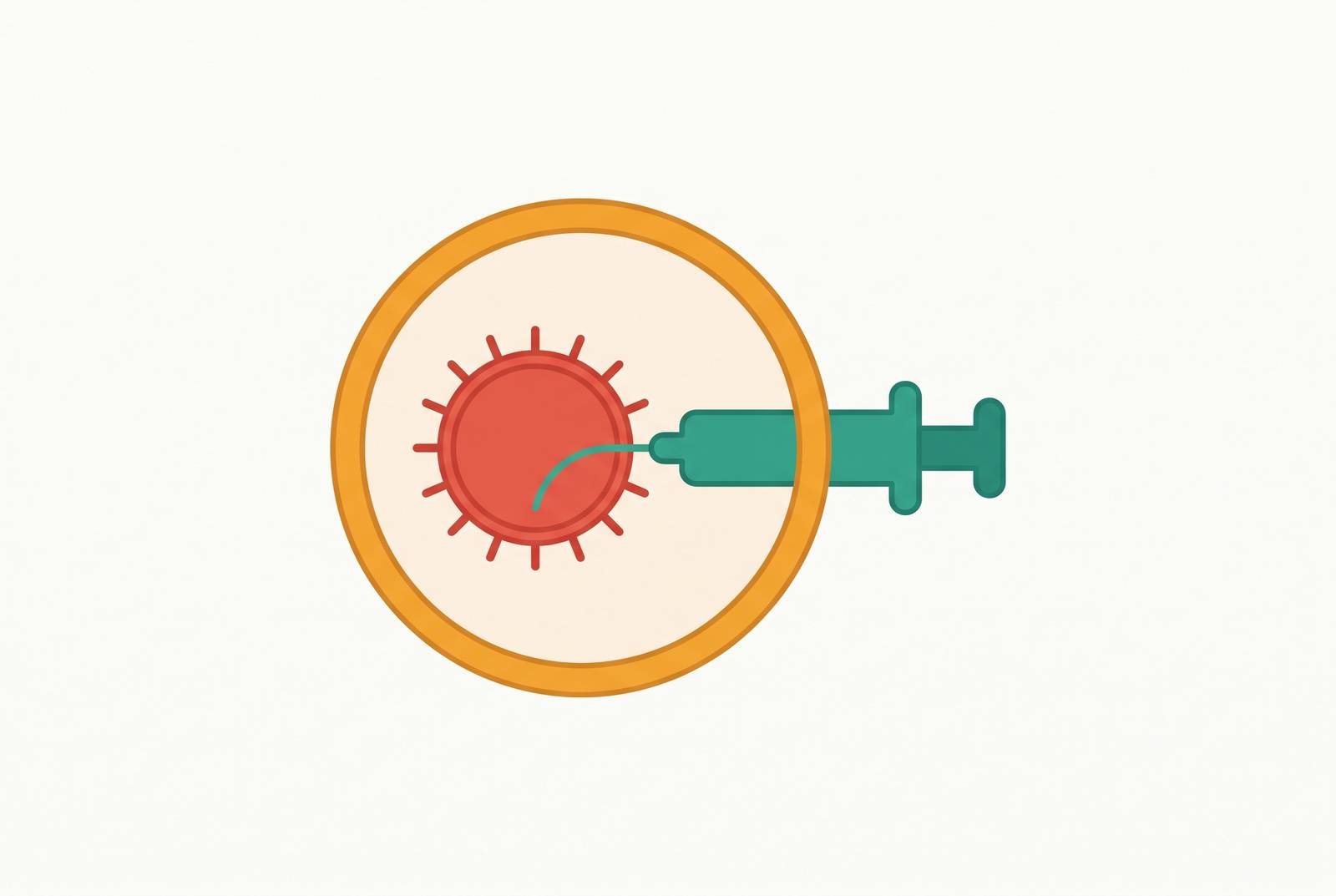
Pollen allergy has treatments that do more than ease another difficult season. Immunotherapy is the only approach with evidence for lasting relief after treatment ends, because it changes the immune response to pollen. Sublingual immunotherapy makes that approach practical for many patients through treatment at home. But “permanent” needs care here. The goal is a lasting reduction in allergy burden, with some symptoms still possible.
Why pollen allergy is an immune malfunction, not just a sensitivity
Pollen allergy begins when the immune system treats harmless pollen proteins as threats. Antibodies called IgE help trigger the release of histamine and inflammatory cytokines, which produce symptoms. Tree pollen in spring, grass pollen in summer, and weed pollen in fall can create different symptom seasons, but the underlying mechanism is the same. Because the problem begins with that immune response, blocking histamine or calming nasal inflammation leaves the source untouched. The distinction is between intercepting the signals an allergic reaction produces and changing the system that produces them.
What symptom medications actually do — and what they don't
Antihistamines act on one of those downstream signals by blocking histamine receptors. Second-generation options, including cetirizine, loratadine, and fexofenadine, do not enter the brain easily, so they generally cause less drowsiness than older antihistamines. Cetirizine can still make some people sleepy. These medicines relieve real suffering, but they do not make the immune system less sensitive to pollen. When someone stops taking medication but is still exposed to pollen or encounters it again, symptoms can come back because the body can still react.
Nasal treatments also work on the consequences of the reaction. Sprays that reduce inflammation can ease nasal symptoms, while decongestant sprays relieve congestion but have a strict short-term limit. Longer use can cause rebound congestion, with nasal tissue swelling more when the medicine is stopped. Not all symptom medicines have the same risks. The FDA gives montelukast a boxed warning for serious neuropsychiatric effects, and the ICAR 2023 guidelines no longer place it among first-line options.
These limits explain why symptom treatment can work well during one season while leaving the next season just as difficult once it is stopped. Treating symptoms alone means treating the reaction each time it comes back, perhaps indefinitely, since repeated use does not make the immune system less reactive. That relief may be insufficient for someone whose allergies keep disrupting daily life.
How untreated pollen allergy affects sleep, cognition, and daily function
Swollen nasal tissue restricts airflow and encourages mouth breathing, which can fragment sleep. Breathing through the mouth night after night can also make snoring worse and contribute to sleep disorders. Poor sleep helps explain why seasonal allergic rhinitis can impair daytime functioning, school performance, and work productivity even when sneezing seems like a minor complaint.
Inflammation can also cause fatigue and cognitive fog. Circulating inflammatory mediators contribute to those symptoms, so the burden is not only a consequence of a bad night. Older first-generation antihistamines can compound the problem through sedation. Someone with undertreated allergies who relies on them may experience impaired concentration from both the disease and its treatment. That makes “just a runny nose” an incomplete account of what the person is managing.
The respiratory picture can also extend beyond the nose. Allergic rhinitis frequently coexists with asthma, and the two are understood as parts of a common inflammatory airway disease. Untreated rhinitis can therefore contribute to a broader respiratory burden. Recurring nasal symptoms, even when familiar, deserve consideration in the context of sleep, alertness, and breathing, with asthma a possible outcome for some people with pollen allergy.
What immunotherapy actually does differently at the immune level
Allergen immunotherapy moves the intervention upstream, toward the immune response itself. Controlled exposure to the allergen over and over, with doses raised as needed during the course, slowly shifts the response away from IgE-driven inflammation and toward tolerance. The aim is less reactivity to pollen.
The World Allergy Organization’s 2026 position paper characterizes allergen immunotherapy as a disease-modifying treatment for IgE-mediated respiratory allergies. Sublingual immunotherapy, or SLIT, is given under the tongue, while subcutaneous immunotherapy, or SCIT, is given through allergy shots. Both aim to build tolerance in much the same way. Their differences concern delivery, safety, and practicality.
The strongest test of that change comes after treatment stops. Relief during a course helps, but on its own it does not show that the effect will last. Benefit that persists without continued treatment is different. It suggests that the immune response has changed. Long-term treatment may thus help, though how well it works can vary from one patient to another.
The clinical evidence that SLIT and SCIT reduce pollen allergy over the long term
Randomized controlled trials support clinically meaningful reductions in symptoms and medication use with grass and house dust mite SLIT tablets. Sustained benefits have been observed for one to two years after a three-year course. Grass tablet findings directly address pollen allergy. House dust mite findings support the broader evidence for SLIT, but they should not be treated as results for a pollen treatment. The allergen and formulation tested remain important when interpreting a claim.
Real-world cohorts support the direction of the trial findings and report lower long-term medication dispensing after SLIT. They also report a reduced risk of new asthma onset, an outcome beyond immediate symptom relief. These encouraging associations leave individual outcomes uncertain. Trials in children also tend to show that treatment is safe and works well, especially with standardized tablets. That gives families evidence to consider, rather than requiring them to rely only on adult results.
Across allergens, the evidence supports both SLIT and SCIT as effective treatments for allergic rhinitis in adults and children. Zao Ji and Feifei Jiang’s 2023 network meta-analysis ranked dust mite SLIT highest for symptom score reduction among the interventions compared, which included pharmacotherapy and placebo. The same analysis found fewer adverse reactions and greater safety with SLIT than with SCIT. That ranking is specific to the comparison studied. It does not establish that every SLIT formulation is superior to every other treatment for pollen allergy.
The overall direction is clearer than every detail. Much of the evidence included in the 2025 umbrella review was rated low or very low quality, and differences between trials limit how confidently results can be generalized. Strong results for standardized tablets do not show that every formulation or dose works as well. Optimal benefit depends on standardized, adequately dosed treatment and sustained adherence for at least three years.
Why SLIT is the more practical path to completing immunotherapy
SCIT involves repeated injections under medical supervision, and patients must stay to be watched for a time after each visit. SLIT starts under supervision, after which patients take it themselves each day at home. That changes the practical burden over several years. Both routes can change the disease, but clinic visits take time and require travel and planning that treatment at home avoids. For a patient who struggles to sustain those visits, the delivery route can shape whether a course is completed.
SLIT also has a lower risk of serious systemic reactions than SCIT. Its most common reactions are local, involving itching or tingling in the mouth or throat, and usually diminish within weeks. The available formulations differ too. In the U.S., FDA-approved SLIT tablets treat certain grasses, ragweed, and dust mites as single-allergen treatments. Custom compounded drops can address multiple allergens simultaneously, which can be useful for people sensitized to several pollen types, although the tablet evidence should not be assumed to apply equally to every compounded formulation.
Patients still have to remember to take their dose each day at home. Christer Janson and colleagues’ 2018 retrospective study in an allergy journal found that patients completing three years of grass pollen SLIT reported greater symptom improvement than those who stopped early. Asthma improvement was twice as common among completers, while only 20% of those who discontinued prematurely reported improvement in asthma symptoms. The study identified forgetfulness as the most commonly reported reason for stopping.
Telehealth allergy services can make care easier to get through virtual consultations and at-home testing. These options make the assessment process more accessible without requiring every step to happen in an office. They do not remove the daily commitment. SLIT’s practical advantage is that much of the work can fit into life at home, while medical guidance remains part of treatment.
What to expect from a SLIT course — timeline, side effects, and realistic outcomes
For someone considering SLIT, the practical starting point is the timescale. A standard course involves approximately three years of daily treatment, with sustained adherence for at least three years needed for optimal disease-modifying benefit. It is not fast-acting rescue treatment. Improvement typically develops gradually during the first season, with more substantial change by the second or third year. Some patients keep using rescue medicines during the course, especially in the first year, and this does not mean immunotherapy has failed.
The first dose also differs from the home routine that follows. SLIT tablets have a boxed warning, require initiation in a clinical setting, and require prescribed epinephrine. A lower risk than shots does not mean no risk. After that supervised start, patients take later doses themselves at home, with no need to return for each dose. Even if the assessment is virtual, patients must take their first tablet dose in a clinical setting.
Early mouth or throat itching and tingling are common local effects and typically diminish within weeks. Patients should talk about these effects with the prescribing physician before assuming they have to stop treatment. Timing can also affect the early experience. For pre-seasonal approaches, starting before peak pollen season gives the immune system time to begin shifting its response before heavy exposure. The intended outcome is a lower burden that persists after treatment ends, with future symptoms and a continued need for medicine still possible.
Who is a good candidate and how to get started
SLIT is an option for patients with confirmed IgE-mediated pollen allergy causing seasonal allergic rhinitis. Recognizing a seasonal pattern is not enough by itself. Treatment depends on finding the specific allergens that cause symptoms so that the allergens used during immunotherapy match the allergy being treated. At-home finger-prick blood tests that measure specific IgE antibodies can give information about sensitization when a certified lab processes them. A physician should interpret those results in the context of symptoms before immunotherapy begins.
The same assessment can consider sensitization to other environmental allergens, including dust mites and pet dander. Each patient's medical history also needs a close look, especially when other illnesses or medicines make it more complex. A 2026 study in the Journal of Allergy and Clinical Immunology: Global found SLIT was well tolerated and associated with potential clinical benefit in patients with rheumatoid arthritis on stable immunosuppressive therapy. That finding is encouraging, but it does not replace a physician’s assessment of suitability for someone with a complex history.
For readers whose seasonal allergies keep disturbing sleep, concentration, or daily life, the next step is to work with a physician to find the allergens involved and decide whether immunotherapy is a good fit. Telehealth and at-home testing can make that first step easier to access. There is a reason to consider it sooner. Another season managed only with symptom medicines does not, by itself, bring the immune system closer to tolerance. The long-term opportunity is to begin a treatment that can change that response, with a course and expectations realistic enough to sustain.
Sources
- Efficacy and safety of sublingual immunotherapy for allergic rhinitis: A network meta-analysis
- Sublingual grass allergen specific immunotherapy: a retrospective study of clinical outcome and discontinuation
- Sublingual allergen immunotherapy in immunosuppressed rheumatoid arthritis patients: Safety and clinical outcomes - PMC